
Day 1 :
Keynote Forum
Martin. Landenberger
Specialist in General Medicine, Germany
Keynote: The role of the aromatic and branched chain amino acids in Well-aging-practical helpful therapies

Biography:
Martin Landenberger Specialist in General Medicine and expert in New Ways in Cancer Therapy - Part 1 and Cancer therapy: one-on-one talk with Dr. Ing. Med. Martin Landenberger Specialist in general medicine, naturopathy, homeopathy, chiropractic, sports medicine and spa doctor The goal of my therapy is not the suppression of symptoms (lowering of blood pressure with medication, pain suppression) but the influence of metabolic processes in the form that symptoms can be made to disappear again. This requires an interest in healthy living and active cooperation.
Abstract:
The role of aromatic (AAA) and branched-chain amino acids (BCAA) in maintaining health in senior years- helpful, practical therapies.Aromatic amino acids as substrate for the fast stress hormon adrenaline (as well for the hormones thyroxine, melanine and insuline) are essential for the memory, thinking, concentration and stress capability, but as well for avoiding diabetes II and cancer as well as maintenance of the immune system. Branched-chain amino acids make up for one third of the muscles, are necessary for all proteins, detoxification of muscles as well as source of energy in the muscles. Some cancers show decreased levels of branched chain amino acids. The uptake of these amino acids can be guaranteed by selected nutritions, defined amino acid supplements and specially designed amino acid infusions.
Keynote Forum
Tzung-Yan Lee
Chang Gung University, Taiwan
Keynote: Herbal formula TL001 Attenuates Dopaminergic Neurodegeneration in Parkinson Disease

Biography:
Associate Professor in Graduate Institute of Traditional Chinese Medicine, Chang Gung University. My Research Focus on Hypoxia signaling in hepatic fibrosis and constructive creates new herbal remedy for liver diseases. Through current assay platform, we found that hypoxia signal triggers an ECM formation cascade leading to the mitochondria dysfunction and selective pathways of lipid and carbohydrate metabolism abnormity that is the main key of hypoxic response in liver diseases. Based on these findings, our lab is currently conducting experiments to elucidate the molecular mechanism of fatty liver in obesity. We are also investigating the roles of microbiota in regulating bile flow during hypoxia signaling in obese studies.
Abstract:
The herbal remedy is commonly used in traditional Chinese medicine to treat diseases characterized by causing oxidative stress including inflammatory diseases, diabetes mellitus and neurodegenerative diseases. We currently reported that herbal remedy, TL001, ameliorated the Parkinsonian motor deficit and protected the nigrostriatal tract from 1-methyl-4-phenyl-1,2,3,6-tetrahydropyridine (MPTP)-induced Parkinson disease (PD) mice. The dopaminergic degeneration in the substantia nigra pars compacta (SNc) and striatum(ST) were analyzed by immunohistochemistry while the monoamine oxidase B inhibitor, Selegiline, as positive control drug for both neuroprotection and correction of motor deficits. Animals were sacrificed and the brain and muscle slices were stained for dopaminergic 1, 5 receptors. Muscle mitochondria biogenesis parameter (SIRT1, PGC-1a and NRf2), and mRNA level of neurotransmitters (dopamine, norepinephrine, serotonin, gamma-aminobutyric acid, glutamate) also evaluations. In the MPTP-induced animal model of Parkinson's disease, TL001 time-dependently improved motor functions and increased both of a7 nicotinic acetylcholine receptors and tyrosine hydroxylase-positive immunoreactive cells in the SNc and ST areas and the abatement of proinflammatory cytokines compared to the MPTP mice. In addition, TL001 interventions also have produced positive results in PD patients from behavioral assessment. These findings suggest that LT001 may be used as an adjunct therapy to enhance the efficacy of L-dopa and alleviate its adverse effects in patients with PD. Thus, TL001 has potential to improve the benefits of dopaminergic therapy in Parkinson's disease.
Keynote Forum
Ahmed Hegazi
National Research Centre, Egypt
Keynote: Traditional and Complementary Medical importance of bee
Biography:
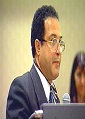
Ahmed Hegazi is currently a Professor of Microbiology and Immunology in the National Research Center, Egypt. Prof. Hegazi received his master’s degree in 1979, and his PhD in 1981. Hegazi's research work has been focused lately on bee products and their therapeutic effects.
Hegazi organized and contributed to national and international research projects since 1977 and up till now; he has been the principal investigator on multiple research projects within the National Research Center. He has published 211 scientific papers and articles in national and international journals. He also served on the board of multiple national and international scientific journals.
Dr. Hegazi is also the president of the Egyptian Environmental Society for Uses and Production of Bee Products, secretary of the Egyptian Society of Apitherapy, secretary general of the African Federation of Apiculture Associations, and a member of the International Apitherapy Commission (APIMONDIA).
Dr. Hegazi awards; First Class Decoration of Excellence, Egypt, 1995, The Senior Scientist Prize of National Research Center, Cairo, Egypt, 1996, The National Scientific Prize In Biological Sciences, Egypt, 1990, The Scientific Prize of The National Research Center, Cairo, Egypt, 1989, The Second Best Research Paper Award, International Congress of Propolis, Bones Aires, Argentina, 2000, Main Speaker Award,10th Academic Conference, PRA and NAS (Nippon Apitherapy Soc.) Japan, 2006, 2 Bronze medals from The International Innovation Fair of the Middle East, Kuwait, 2007 Awarded of Ghazi Wad Allah Salon Prize, 2008, Finally awarded the Merit Ward in Medical Sciences, National Research Centre, Egypt, 2016 and have 4 patents.
Abstract:
Apitherapy had been well documented in traditional medicine for treating systemic immune diseases, allergic diseases, viral diseases and organic-specific inflammatory diseases since more than one thousand years. Apitherapy or the medical uses of honeybee products are range from royal jelly to bee venom. It was used by the ancient Egyptians as a homeopathic remedy for arthritis. The history of apitherapy extends back to ancient Egypt, China and Greece. Apitherapy (the term comes from the Latin apis, which means “bee”), or bee therapy, is the use of honeybee venom for therapeutic purposes. Bee venom, bee pollen, raw honey, royal jelly, wax, propolis, and bee broad are products from bees that are generally considered to have medicinal effects. These products are effective against a wide range of ailments, from arthritis and chronic pain to multiple sclerosis and cancer, although few scientific studies have proved their benefits. Medical importance of honeybee products has been take the interest of medical and biologist scientists.
Keynote Forum
Kevin Spelman
Indomira, NZ, Ltd
Keynote: The Utility of Echinacea spp. as a Botanical Remedy

Biography:
Kevin Spelman, Ph.D., MCPP is a researcher, educator and industry consultant that has advised the White House and the Department of Defense on natural products and has been active in several areas of natural products research including immunology at UNC, malaria as a Marie Curie Research Fellow in the European Union, brain cancer, as well as CB1 and CB2 receptor binding at National Institutes of Health where he was the first researcher to elucidate CB2 ligands in Zanthoxylum spp. He has also been a senior executive for multiple companies and has considerable experience in new product development, analytical and QC guidelines and educational curriculums. Dr. Spelman is currently Chief Scientific Officer for Indomira.
Abstract:
The term echinacea represents any number of species, but Echinacea purpurea and E. angustifolia make up the majority of species of echinacea in commerce. Given the in vitro, in vivo and clinical trial results, extractions from this botanically show an overall postive impact as an immunomodulator, namely in upper respiratory tract infections. Newer research hints at PPAR-g activity which may lend itself to utility in metabolic syndrome. In addition, some ergogenic has been done that is of interest. Past research will be reviewed, as well as some of the newer research on this popular botanical.
- Challenges and Future Innovations of Traditional Medicine
Session Introduction
Romila Devi Gopalan
School of Biological and Chemical Sciences, Faculty of Science, Technology and Environment, The University of the South Pacific, Suva, FIJI
Title: Fijian Medicinal Plants Used in the Treatment of Alzheimer’s Disease and Related Illness

Biography:
Romila Gopalan has completed his PhD in 2012 from Monash University. She is currently a sSnior Lecturer at The University of the South Pacific- a regional institution governed by twelve South Pacific Countries. Her research is mainly in the areas of Functional Foods, Medicinal Chemistry and Natural Products Chemistry. She has published in reputed journals. She also is involved in Research Skill Development and Science Edication at The University of the South Pacific.
Abstract:
Traditional and alternative medicine is the indigenous healthcare method that is still widely in the developing countries. Traditional medicine has been part of the Fijian culture due to its safety and effectiveness to illnesses. However, this knowledge is restricted to only the traditionalvillage healers. In a survey carried out recently in Fiji, thirteen traditional medicinal plants were selected those that were used by Itaukei village healers to cure headache, depression and related sickness. Since the traditional method for medicine preparation is extraction in water, the plant samples used in the study were extracted with water and ethanol. The crude extracts were then analysed for Acetylcholinesterase inhibition (AChEI) using Ellman‘s assay. Method: Thirteen plant species belonging to Melastomataceae, Asteraceae, Apiaceae, Rutaceae, Goodeniaceae, Loganiaceae, Araliaceae, Solanaceae, Polygonaceae, Zingiberaceae and Anacardiaceae families were tested at 0.2 mg/mL, 0.4 mg/mL, 0.6 mg/mL, 0.8 mg/mL, 1.0 mg/mL, 1.5 mg/mL and 2.0 mg/mL concentrations. Results and Discussions: The most active plants showed AChEI activity between IC50 = 4.57 mg/mL to IC50 = 9.24 mg/mL indicating the effectiveness of the compounds present in the extracts against the Acetylcholinesterase, the enzyme that plays a key role in normal cognition and memory. Conclusion: The plant extracts used in this study were crude extracts, thus the concentration of the active phytochemicals present may be of avery low concentration. These thirteen plants could prove leads to safer and better candidates for the future selection of acetylcholinesterase inhibitors and potenially in treatment of Alzheimer’s disease and related

Biography:
Dr. Sandeep Chavan is a Homoeopathic doctor, postgraduate in public health administration from Tata institute of Social Sicences, Mumbai, India. He has total 8 years of professional experience and is working with India’s biggest philanthropic organization – Tata Trusts since past 4.5 years as a Program Officer for Healthcare initiatives. His area of experience is across maternal and child health, vector borne diseases, mental health and primary healthcare. Dr. Sandeep is passionated towards promoting and mainstreaming Homoeopathy for better public health outcomes.
Abstract:
Homoeopathy is a system of medicine originated in Germany, founded by a modern medicine physician – Dr. Samuel Hahnemann, is thriving alternative system of medicine in India, most popular in northern states. Homoeopathic medicines are proven to be effective in treating large number of acute as well as chronic ailments and have nil side effects. The successful treatment ensues when a physician understands dimensions of the disease in the holistic Homoeopathic perspective and accordingly prescribes. Despite cost effectiveness, Homoeopathy offers promising public health benefits to maintain as well as restore health in most natural ways by helping to avoid overuse of antibiotics, eventually boosting individual’s immunity. Hence integrating Homoeopathy with modern medicine is critical to mitigate huge unmet needs of primary healthcare in India, especially where accessibility of healthcare provider is key concerns for rural masses.
India relies on a three-tier public health system, the first one being Health Sub-Centers (HSC). HSCs, manned by a trained nurse, are meant to cater to a population of 5,000. Consulting a doctor is through a Primary Health Center (PHC) exists for every 30,000 people. Hence patients need to travel to seek a doctor’s consultation. Further, challenges related to infrastructure and competent paramedical personnel at peripheral health facilities still exist. Despite proven efficacy, availability of alternative medicine practitioner such as a Homoeopath is only at the block level, typically for a population of 1 lakh. In such a scenario rural people have no choice but to seek care from local quacks who provide service at the villagers’ doorsteps. To fulfill villagers’ primary healthcare needs, guided women collectives in villages of Uttar Pradesh state in India initiated Gaon Dawakhana (A village Clinic) with 1,000 families in January 2017. It is a community funded integrated primary healthcare service delivery platform through a Homoeopathic doctor – visiting weekly twice and a Modern Medicine doctor – visiting monthly twice to provide medical services at doorsteps for villagers. Unit of one clinic is a collective of 500 families, each contributing 50/-INR per family per month to seek services of a clinic. Except for the administrative cost (which is being funded by Tata Trusts), entire operational cost of clinics (including doctors’ fees, medicines’ cost, etc.) is met through the monthly subscription fees. Since January 2017, total 31,919 patients are treated across 10 clinic locations benefitting to more than 5,000 families. Through 15 quarterly health camps for non communicable diseases, child health issues, etc 3,132 patients are treated.
One of the important challenges faced is overcrowding at clinics and difficulty to maintain stock of key Homoeopathic medicine owing to its availability at remote places. Major learning from the initiative is, Homoeopathy as an alternative system, can be integrated with Modern Medicine to mitigate unmet needs of primary health care of rural masses because of its efficacy and cost effectiveness. Continuous community contribution is sign of acceptability towards Homoeopathy and it also ensures sustainability for the initiative. Further it demystifices the common notion that rural poor are always in need of free services. It is appreciated that, though economically vulnerable, families are willing to pay, if they perceive value in services. Both the initiative itself and the Homoepathy has got promising potential to meet primary healthcare needs for rural masses.
Prem P. Rai
School of Natural Resources & Applied Sciences, Solomon Islands National University PO Box R113, Honiara, Solomon Islands
Title: Role of Herbal Medicine and Traditional Healers in Response to HIV/AIDS
Biography:
Professor Prem P. Rai, PhD served in the University of Papua New Guinea for over 20 years. He is currently Dean of the School of Natural Resources & Applied Sciences at Solomon Islands National University. His speciality includes pharmacognosy and quality control aspects of herbal medicine. Dr. Rai headed the traditional medicine program of the National Department of Health in Papua New Guinea for over 15 years. He is an active researcher and has published more than 98 papers and authored number of technical books including one on Medicinal Plants in Papua New Guinea, published by the World Health Organization. Dr. Rai serves as an advisor and member on editorial board of number of local and international scientific journals.
Abstract:
HIV/AIDS is not only a regional but global challenge and a major public health problem. Globally, about 36.7 million people are living with HIV/AIDS, with a particular burden on developing countries. Despite active control measures and series of programs initiated by government an estimated 34,100 people are still living with HIV infection in Papua New Guinea (PNG). High cost and scarcity of antiretroviral and other drugs make it difficult to provide health care needs for this group of patients. Traditional healers in PNG are treating patients with HIV and AIDS symptoms, and herbal preparations are being promoted specifically for this use. In a cross sectional pilot study conducted in Milne Bay and Oro provinces of PNG, the study showed the positive role played by traditional healers in providing treatment for HIV/AIDS-related sicknesses. Their main contribution is in alleviating suffering from opportunistic infections and providing advice on diet and healthy life style, and improving the quality of life by effectively treating the symptoms of the disease. People living with HIV (PLHIV) infection responded better to herbal treatments for cconditions such as chronic diarrhea, loss of appetite and nausea, skin infections, sores and panful blisters, persistent fever and cough, thrush, weight loss and weakened immunity. Psidium guajava, Acalypha wilkesiana, Syzygium malaccense, Ficus copiosa, Eleusine indica, Codiaeum variegatum, Calophyllum inophyllum were most commonly used medicinal plants by healers. Specific uses, preparations and mode of applications of these plants will be presented. It is concluded that traditional healers are potential key to scaling up comprehensive care for PLHIV in PNG as in many other countries in Africa and Asia.
Supayang Voravuthikunchai
Prince of Songkla University Thailand
Title: Natural Products from Rhodomyrtus tomentosa Extract and Rhodomyrtone

Biography:
Professor Supayang P. Voravuthikunchai received both B.Sc. (Hons) and Ph.D. in Microbiology from the University of New South Wales, Australia. She is currently a Professor at Department of Microbiology, Faculty of Science and Director of Natural Product Research Center of Excellence, Prince of Songkla University, Thailand. 150 articles have been published, together with 17 patents. National Invention Awards were given by National Research Council of Thailand (NRCT) in 2003 and 2014. In 2015, prototypes won a silver medal from Inventions Geneva and a gold medal from Brussels Innova. She received Research Excellence Awards at Thailand National Research Universities Summit in 2013 and 2014. She was named by NRCT as National Outstanding Researcher (Agriculture and Biology) in 2014. In 2015, she was honoured as Thailand Research Fund Senior Research Scholar (Medical Microbiology). In 2016, she was awarded as National Outstanding University Professor by the Council of University Faculty Senate of Thailand.
Abstract:
A talk will present a successful story on the transformation of scientific discoveries into patented inventions. Extraction method of Rhodomyrtus tomentosa leaf was developed. Semi-purified fractions as well as a principle compound, rhodomyrtone, was isolated. Forty five scientific papers are available in ISI. Top quality natural products were then designed based on strong scientific evidence (in vitro and in vivo) on their biological activities. Advanced pharmaceutical technology was used to develop products. Clinical trials were performed for cosmetics and pharmaceutical products. Field trials in agricultural field and aquaculture system have been shown to prevent bovine mastitis and streptococcosis in fish of economic importance such as tilapia and rainbow trout, respectively. For applications as food additive. It was demonstrated that it could effectively prevent food from spoilage. In addition, sensory test in food models demonstrated that all samples rinsed with the extract attained acceptance limit for overall acceptability. Two patents and 7 petty patents are being pending in Thailand, together with six prototypes available.
Connie Kam Yuen Ching
The Open University of Hong Kong, School of Nursing & Health Studies
Title: A Pilot study on the effects of catgut embedding therapy at acupoints for management of obesity.

Biography:
Connie Kam Yuen Ching is a registered Chinese medicine practitioner and registered nurse in Hong Kong. Now, she is continuing her PhD study in an university in Hong Kong. Also, she is a Senior Lecturer in the Open University of Hong Kong. She has published several papers in international conference.
Abstract:
Obesity is an important risk factor of causing many health problems. Catgut embedding therapy (CMT) is one of the Chinese medicine intervention developed based on the theory of acupuncture. A piece of catgut is placed on the acupoints by using a fine needle and syringe and the catgut will stay there until it is being absorbed. The effects are similar to acupuncture but the duration of stimulation through the acupoint is longer. Objective: The study aims to examine the effectiveness of CMT at acupoints in reducing body weight (BW) for obesity. Methodology: A pilot study with 5 subjects was recruited. The length of catgut with 1-2 cm long and 12-16 threads of catgut were inserted into the selected acupoints in abdomen and 4 limbs of the subjects. It was absorbed in the body in 14 – 21 days and the next treatment was implemented on 21 days after the last treatment. Each subject was received 3 consecutive treatments. Outcomes: It found that 0.3 – 1.2 kg BW reduction in 4 subjects with only one subject with no significant BW changes. Also, it found that 1 – 3.5 cm waist circumference reduction in 3 subjects and 1-3 cm arm circumference reduction in 4 subjects. Significance: The outcome of the study showed this intervention maybe effective on weight reduction. It could be an alternative approach on reducing body weight and in scientific manner. Discussion: It was a pilot study with limited sample size, a further large scale study is required for proving its effectiveness.
- Advanced Developments and Current Research in Traditional Medicine
Location: TBD
Session Introduction
Abu Bakar NH
Universiti Sultan Zainal Abidin, 20400 Kuala Terengganu, Malaysia
Title: Honey potentially alleviates the analgesic tolerance and physical dependence to morphine in rats

Biography:
Nor Hidayah Abu Bakar has completed her MD and Master of Pathology (Anatomic Pathology from Universiti Sains Malaysia. She is now a senior medical lecturer of Universiti Sultan Zainal Abidin, Terengganu, Malaysia. She has a special interest in addiction medicine since 2005 and has been joining the Centre of Research in Addiction, UNISZA since a few years ago. She has published several papers on addiction in a few indexed journals.
Abstract:
Honey has been used traditionally as a remedy as well as a food supplement.
Honey is said to be able to cure many diseases. However, its influences on opioid tolerance
and dependence have not yet been clarified. Objective: To determine the effect of honey on the development of morphine tolerance and dependence. Materials and Methods: Adult male Sprague-Dawley rats were rendered tolerant to the analgesic effect of morphine by injection of morphine (10 mg/kg, i.p.) twice daily for 14 days. To develop morphine dependence, the rats were given chronic escalating doses of morphine. To determine the effect of stingless bee honey on the development of morphine tolerance and dependence, the hotplate and naloxone precipitation tests were used for the assessment. Results: Our results showed that chronic morphine-injected rats displayed tolerance to the analgesic effect of morphine as well as morphine dependence. Methadone+morphine (MetM), methadone+morphine+honey (MetMH) and morphine+Honey (MH) significantly lower the development of morphine tolerance with p-value p<0.05. In addition, a concomitant treatment of morphine with MH and MetMH attenuated almost all of the naloxone-induced withdrawal signs which include abdominal contraction, diarrhea, pertussis, teeth chattering, and jumping. Conclusion: The data indicate that honey has a potential to reduce tolerance and dependence in chronic morphine exposure.
- History and Evolution of Traditional and Complementary Medicine
Location: TBD
Session Introduction
Dharani Dar Patra
Bidhan Chandra Krishi Viswavidyalaya, West Bengal, India
Title: Nutraceuticals from Medicinal Herbs

Biography:
Assistant Professor (Soils), Rajasthan Agril. University, Bikaner, 1982-87; Commonwealth Fellow (Rothamsted, UK) 1983-84; Scientist-C, 1987-92, Scientist EI, 1992-97, Scientist E II, 1997-2002, and Scientist F 2002-07, Central Institute of Medicinal and Aromatic Plants (CIMAP), Lucknow; STA-JISTEC Fellow (Visiting Scientist), HNAES, Japan, 1999; Chief Scientist (Head, Agrotechnology), CSIR-Central Institute of Medicinal and Aromatic Plants (CIMAP), Lucknow, 2007-16.
Awards/Honours: FAI Silver Jubilee Award, 1980; FAI Gold Medal, 1983; Mint Technology Award, 1999; PPIC-FAI Gold Medal, 2000; 12th International Congress Commemoration Award, 2005; UPCAR Eminent Scientist Award (NRM), 2006; Golden Peacock Eco-innovation Award, 2008; ISCA Platinum Jubilee Award, 2008; CSIR S&T Innovation Award for Rural Development, 2008; VASVIK Award, 2010.
Fellow: National Academy of Sciences, India; Indian Society of Soil Science), New Delhi.
Research Areas: Soil Science & Agricultural Chemistry, Isotope technique, Agrotechnology of medicinal and aromatic plants, waste land utilization.
Abstract:
Phytotherapy has emerged as a new concept of health aid and consumption of plant mediated nutraceuticals has become very popular because of their less or no side effect. Risk of toxicity or adverse effect of drugs, led us to consider safer nutraceuticals, and functional food based approaches for health management.
Nutraceutical is a term to define substances, which are non-traditionally recognized nutrients but have positive physiological effects on human body. The active ingredients are phytochemicals, such as lycopene in tomatoes, allicin in garlic, isoflavones in soyabeans, glucosamine in ginseng, Omega-3 fatty acids in linseeds, epigallocatechin gallate in green tea, etc. These phytochemicals, also called functional food, may be extracted and consumed as food supplements or may have therapeutic value when consumed in whole food.
Promise of nutraceuticals is considered in two ways, viz. potential nutraceuticals and established nutraceuticals. Similarly, the food products used as nutraceuticals are categorized as (i) Prebiotic, (ii) Dietary fibre (iii) Omega-3 fatty acid, and (iv) antioxidant.
This development in this area is propelling expansion in the nutraceuticals market globally. The emerging nutraceutical industry seems destined to occupy the landscape in the new millennium. Its tremendous growth has implications for the food, pharmaceuticals, healthcare and agricultural industries.
Fermentation technology using microbes to create new food products also has great potentials. The interaction of nutraceuticals with food and drugs is another area, which should be taken into consideration. The effect of different processing methods on biological availability and effectiveness of nutraceuticals remains to be determined.
- Applications of Traditional Medicine & Chronic illness Treatment
Location: TBD
Session Introduction
Nasir Mohamad
Universiti Sultan Zainal Abidin, 20400 Terengganu, Malaysia
Title: Protective effect of thymoquinone on the mdma induced serotonin depletion in the brain of rats

Biography:
Nasir Mohamad has completed his MD, Master of Medicine and PhD from Universiti Sains Malaysia. He is the director of Centrena, the centre for research in addiction, in a community public University of Sultan Zainal Abidin, Terengganu, Malaysia. He has an interest in researches related to application of traditional herbs in the treatment of drugs and substances addiction. He is currently working to focus on integrating bio-psychosocio and spiritual components to empower the primary prevention with the secondary and tertiary management of addiction in the community for a better therapy. He has published more than 100 papers and books.
Abstract:
3,4-methylenedioxymethamphetamine (MDMA; “ecstasy”) is an illicit drug grouped under the amphetamine-type stimulants (ATS). The long-term effects of MDMA include depletion of extracellular serotonin or 5-hydroxytryptamine (5-HT). Hence, the aim of this study was to investigate the protective effect of thymoquinone (TQ) in preventing the 5-HT depletion induced by a single MDMA exposure. This study was conducted by dividing the rats randomly into four groups i.e: i) Control group, receiving 0.1 ml/kg saline, ii) MDMA group, receiving a single administration of 20 mg/kg MDMA, iii) MDMA-TQ group, receiving a single administration of 20 mg/kg MDMA and treated with 40 mg/kg TQ for one week and, iv) TQ group, receiving 40 mg/kg TQ for one week. All compounds were administered to the rats through oral gavage. Percentage of weight gain was measured, and at the end of the experiment, cerebrospinal fluid was collected from the cisterna magna of the rats for evaluation of the 5-HT neurotransmitter level. Our results demonstrated a significant increased in 5-HT level from the CSF of the MDMA-TQ group as compared to the MDMA group. MDMA-TQ group also showed a higher percentage of weight gain as compared to the MDMA group. Our study suggests that the subsequent long-term 5-HT depletion induced by MDMA can be prevented by thymoquinone.
Cornelius Tony Vulumu
Department of Health Sciences, CMNHS, FNU
Title: Use of traditional medicinal plants by individuals with Type 2 diabetes mellitus in the National Diabetic Clinic, Honiara, Solomon Islands
Biography:
Cornelius Tony Vulumu at 25 years of age completed his Bachelors in Pharmacy Degree at Fiji National University 2016. Successfully underwent a year of internship and recently in 2018 became a registered Pharmacist at the National Referral Hospital, Honiara, Solomon Islands. He has been appointed to look after clinical pharmacy for pediatric ward in early June 2018.
Abstract:
Type 2 diabetes mellitus (T2DM) has become a major public health issue in Solomon Islands in recent years, with prevalence estimated at 13.5% ± 4.3. Cultural influence on health-seeking behaviors has been documented. There is increasing interest in the use of common medicinal plants for medicinal purposes in chronic diseases due to easy accessibility and availability. There seems to be no evidence of published data on the use of TMPs in the management of T2DM in Solomon Islands. This study investigated the use of TMP by individuals with T2DM. This was a descriptive cross sectional study conducted at the National Diabetic Clinic in Honiara from June 27th to July 22nd 2016. Individuals with T2DM aged 18 years and above were randomly selected and interviewed using a structured questionnaire. Categorical variables were summarized as frequencies and percentages and Chi-Square analysis was used to test relationships between variables.
A total of 200 individuals with T2DM were interviewed. More than half, 63% (n=126) of the
participants reported using TMPs for the management of T2DM. Common TMPs used include; Annona muricata L. (n=11), Areca Catechu (n=9), Morinda citrifolia (n= 8), Carica papaya (n=8), Zingiber officinale Roscoe (n=6) and Dioscorea. (n=4). Few, 8% (n=16) stated using TMPs concurrently with modern medicines, although 43% (n=86) preferred both TMPs and modern medicines. Some factors influencing use of TMPs included level of education (ðœ’2-test, p= 0.001), sex (ðœ’2-test, p= 0.034) and years of having T2DM (ðœ’2-test, p= 0.021).
It can be concluded that most individuals with T2DM who visit the National Diabetic Clinic in Honiara, Solomon Islands use TMPs for the management of increased blood glucose levels. More research is needed to further investigate the factors influencing the use of TMPs in Solomon Islands.
- Research Ethics in Traditional Medicine
Location: TBD
Session Introduction
Abdeen Omer
Occupational Health Administration, Khartoum, Sudan
Title: Evaluation of Medicine Distribution, Regulatory Privatisation, Social Welfare Services and Liberalisation

Biography:
Abdeen Mustafa Omer (BSc, MSc, PhD) is an Associate Researcher at Occupational Health Administration, Ministry of Health and Social Welfare, Khartoum, Sudan. He has been listed in the book WHO’S WHO in the World 2005, 2006, 2007 and 2010. He has published over 300 papers in peer-reviewed journals, 200 review articles, 15 books and 150 chapters in books.
Abstract:
The strategy of price liberalisation and privatisation had been implemented in Sudan over the last decade, and has had a positive result on government deficit. The investment law approved recently has good statements and rules on the above strategy in particular to pharmacy regulations. Under the pressure of the new privatisation policy, the government introduced radical changes in the pharmacy regulations. To improve the effectiveness of the public pharmacy, resources should be switched towards areas of need, reducing inequalities and promoting better health conditions. Medicines are financed either through cost sharing or full private. The role of the private services is significant. A review of reform of financing medicines in Sudan is given in this article. Also, it highlights the current drug supply system in the public sector, which is currently responsibility of the Central Medical Supplies Public Corporation (CMS). In Sudan, the researchers did not identify any rigorous evaluations or quantitative studies about the impact of drug regulations on the quality of medicines and how to protect public health against counterfeit or low quality medicines, although it is practically possible. However, the regulations must be continually evaluated to ensure the public health is protected against by marketing high quality medicines rather than commercial interests, and the drug companies are held accountable for their conducts.
- Traditional Chinese Medicine
Location: TBD

Biography:
Kevin Spelman, Ph.D., MCPP is a researcher, educator and industry consultant that has advised the White House and the Department of Defense on natural products and has been active in several areas of natural products research including immunology at UNC, malaria as a Marie Curie Research Fellow in the European Union, brain cancer, as well as CB1 and CB2 receptor binding at National Institutes of Health where he was the first researcher to elucidate CB2 ligands in Zanthoxylum spp. He has also been a senior executive for multiple companies and has considerable experience in new product development, analytical and QC guidelines and educational curriculums. Dr. Spelman is currently Chief Scientific Officer for Indomira.
Abstract:
Beyond THC there are at least 60 other cannabinoids in the Cannabis plant. Unfortunately the fascination and politics around THC, have created a potential bias against the pharmacology of other potentially therapeutic cannabidnoids. Cannabidiol (CBD) is the second most plentiful cannabinoid in the Cannabis species. Importantly, this pleiotropic cannabinoid does not induce euphoria but does show some intriguing activity in a number of molecular pathways, tissues and physiological systems. Beyond attenuating the euphoria of THC, anxiolytic, anti-inflammatory, analgesic, anti-seizure, anti-addictive and anti-neoplastic activities are prominent. In addition, it puts other receptors into play besides the the classical cannabinoid receptors (CB1 & CB2). We will examine the evidence base for CBD, which is growing rapidly and offers broad spectrum and potentailly significant therapeutic potential.

Biography:
Dr. Sandeep Chavan is a Homoeopathic doctor, postgraduate in public health administration from Tata institute of Social Sicences, Mumbai, India. He has total 8 years of professional experience and is working with India’s biggest philanthropic organization – Tata Trusts since past 4.5 years as a Program Officer for Healthcare initiatives. His area of experience is across maternal and child health, vector borne diseases, mental health and primary healthcare. Dr. Sandeep is passionated towards promoting and mainstreaming Homoeopathy for better public health outcomes.
Abstract:
Homoeopathy is a system of medicine originated in Germany, founded by a modern medicine physician – Dr. Samuel Hahnemann, is thriving alternative system of medicine in India, most popular in northern states. Homoeopathic medicines are proven to be effective in treating large number of acute as well as chronic ailments and have nil side effects. The successful treatment ensues when a physician understands dimensions of the disease in the holistic Homoeopathic perspective and accordingly prescribes. Despite cost effectiveness, Homoeopathy offers promising public health benefits to maintain as well as restore health in most natural ways by helping to avoid overuse of antibiotics, eventually boosting individual’s immunity. Hence integrating Homoeopathy with modern medicine is critical to mitigate huge unmet needs of primary healthcare in India, especially where accessibility of healthcare provider is key concerns for rural masses.
India relies on a three-tier public health system, the first one being Health Sub-Centers (HSC). HSCs, manned by a trained nurse, are meant to cater to a population of 5,000. Consulting a doctor is through a Primary Health Center (PHC) exists for every 30,000 people. Hence patients need to travel to seek a doctor’s consultation. Further, challenges related to infrastructure and competent paramedical personnel at peripheral health facilities still exist. Despite proven efficacy, availability of alternative medicine practitioner such as a Homoeopath is only at the block level, typically for a population of 1 lakh. In such a scenario rural people have no choice but to seek care from local quacks who provide service at the villagers’ doorsteps. To fulfill villagers’ primary healthcare needs, guided women collectives in villages of Uttar Pradesh state in India initiated Gaon Dawakhana (A village Clinic) with 1,000 families in January 2017. It is a community funded integrated primary healthcare service delivery platform through a Homoeopathic doctor – visiting weekly twice and a Modern Medicine doctor – visiting monthly twice to provide medical services at doorsteps for villagers. Unit of one clinic is a collective of 500 families, each contributing 50/-INR per family per month to seek services of a clinic. Except for the administrative cost (which is being funded by Tata Trusts), entire operational cost of clinics (including doctors’ fees, medicines’ cost, etc.) is met through the monthly subscription fees. Since January 2017, total 31,919 patients are treated across 10 clinic locations benefitting to more than 5,000 families. Through 15 quarterly health camps for non communicable diseases, child health issues, etc 3,132 patients are treated.
One of the important challenges faced is overcrowding at clinics and difficulty to maintain stock of key Homoeopathic medicine owing to its availability at remote places. Major learning from the initiative is, Homoeopathy as an alternative system, can be integrated with Modern Medicine to mitigate unmet needs of primary health care of rural masses because of its efficacy and cost effectiveness. Continuous community contribution is sign of acceptability towards Homoeopathy and it also ensures sustainability for the initiative. Further it demystifices the common notion that rural poor are always in need of free services. It is appreciated that, though economically vulnerable, families are willing to pay, if they perceive value in services. Both the initiative itself and the Homoepathy has got promising potential to meet primary healthcare needs for rural masses.
- Homeopathy
Location: TBD
Session Introduction
David Chinedu
Nigerian Institute Of Homeopathy, Enugu State Nigeria.
Title: Homeopathic Remedies Effective for High Blood Pressure.
Biography:
Dr David Chinedu has completed his DOH at the age 0f 33 from Nigerian Institute Of Homeopathy and ran clinical programmes in Allen College of Homeopathy in Chelmsford, United Kingdom and Calcuta, India. He is the director of ‘Kakaraka Clinic’ in Enugu State Nigeria. He is an ardent researcher and a mastermind in the healing art.
Abstract:
Doctors are often unable to pinpoint the exact cause of hypertension. However, it is a known fact that frequent use of prescriptions and over-the-counter drugs such as corticosteroids and immunosuppressive drugs can cause or exacerbate hypertension. Medication taken for pain and inflammation, such as non-steroidal anti-inflammatory drugs (NSAIDs) and cyclooxygenase-2 (COX-2) inhibitors may also raise blood pressure, because their anti-prostaglandin properties affect the kidneys. Habits that enervate the body (put the body in a tensed state) are primarily the cause of hypertension. Overeating is a common and universal enervating habit; eating too much fat—cream, butter, fat meats, oils, rich pastries, sweets; eating too often; eating between meals, and checking digestion with water-drinking between meals. Food-inebriety is more common than alcohol-inebriety. The subconscious is as busy as a hive of bees substituting, antidoting, and in reparation work; substituting one stimulating excess for another—demanding whiskey, tobacco, opium, etc. Chronic overuse of alcohol is a potentially irreversible cause of hypertension. In fact, 30 to 60% of alcoholics suffer from hypertension. Caffeine intake may also cause an acute (rapid but brief) increase in blood pressure.
Dissatisfaction and overworked emotions put the body in a tensed state. Worry, fear, grief, anger, passion, temper, overjoy, depression, self-pity, pride, egotism, envy, jealousy, gossip, lying, dishonesty, failing to meet obligations and appointments—all enervate and in time build hypertension.
Homeopathy first seeks to identify the cause and advise for positive lifestyle changes alongside the use of remedies.
HYPERTENSION AND HOMEOPATHY:
Homeopathy operates on the law of similars; SIMILAR SIMILIBUS CURANTOR. Homeopathy can help high blood pressure, determining its cause through a holistic approach that looks to cure the individual as a whole. Homeopaths simply use symptoms, and the sensation of experiencing those symptoms, to determine which homeopathic remedy will most effectively trigger the body’s healing response.
Homeopathic treatment is recommended because it not only can lower and stabilize blood pressure, it also has a positive effect on overall health.
Here are some acute hypertension remedies, along with their symptom pictures. Please keep in mind that these remedies may be used for immediate situations in a palliative manner. They won’t necessarily cure hypertension unless the remedy appropriately matches the individual’s personality.
Argentum nitricum (Arg-n): If blood pressure rises with anxiety and nervousness, this remedy may be indicated. “Stage fright” or anticipation of a stressful event can bring on dizziness, headache, diarrhea, and a pounding pulse. People who need this remedy are typically warm-blooded, imaginative, impulsive, claustrophobic, and have cravings for sweets and salt.
Calcarea Carbonica (Calc): This remedy is often helpful to people with high blood pressure who easily tire and have poor stamina. They are typically responsible types who feel overwhelmed when ill and fear a breakdown. Palpitations and breathing problems can be worse from walking up a slope or stairs, and also when lying down. A general chilliness with clammy hands and feet (the feet may heat up in bed at night) and sweat on the head during sleep are other indicators. The person may have cravings for sweets and eggs, and tend toward weight problems.
Glonoinum: A flushed face with a pounding headache and visible throbbing in the blood vessels of the neck may indicate a need for this remedy. The chest can feel congested or hot, with a pounding or irregular heartbeat. The person is worse after moving around, heat and sun exposure, and drinking alcohol. A feeling of “being lost in a familiar place” is a strong indicator for this remedy.
Natrum muriaticum (Nat mur): A person who needs this remedy seems reserved and responsible, but may have strong feelings (of grief, disappointment, anger, grudges, a fear of misfortune) inside. Headaches and palpitations are common, as well as a feeling of tension (even coldness) in the chest. The person feels worse after sun exposure, worse around mid-morning, and better when alone in a quiet place. A craving for salt and strong thirst can help to confirm this remedy choice.
Phosphorus: A person who needs this remedy is usually sensitive, suggestible, and sympathetic, with a tendency toward weakness, dizziness, a “spaced-out” feeling, and fearfulness. Nosebleeds, facial flushing, palpitations, feelings of heaviness or pain in the chest, and left-sided problems are often seen. A strong desire for cold drinks and refreshing things, and a marked improvement after eating and sleeping are other indicators for Phosphorus.
- Arabic & Unani Medicine
Location: TBD
- Nutritional Medicine
Location: TBD
- Chiropractic and Osteopathic medicine
Location: TBD
- Yoga and Meditation
Location: TBD
- Traditional Physical Therapies | Traditional Medicine & Neurology|Traditional Medicines Side effects and Complications | Important Milestones in Development of Traditional Medicine Diagnostics |Quality Control and Marketing of Traditional Medicine |Bridging Traditional Chinese medicine and Molecular pharmacology Pharmacognosy and Traditional Medicine | Acupuncture and Oriental Medicine | Naturopathy as an Alternative Therapy | Holistic Medicine and Integrative Medicine | Ayurveda
Location: TBD
Session Introduction
Temesgen Bihonegn
Department of Animal Health, Kombolcha College of Agriculture affiliated to Wollo University, P.O. Box 56, Kombolcha, Ethiopia,
Title: Antimalarial activity of crude extracts and solvent fractions of Vernonia amygdalina (Asteraceae) against Plasmodium berghei in mice model
Biography:
Temesgen Bihonegn works in Department of Animal Health, Kombolcha College of Agriculture affiliated to Wollo University, P.O. Box 56, Kombolcha, Ethiopia,
Abstract:
Background: Malaria is one of the leading causes of morbidity and mortality in Ethiopia. Problem associated with control of malaria is mainly related to development of resistance to first line treatments. Different medicinal plants have been used in different parts of the globe to manage malaria. In Ethiopia, Vernonia amygdalina is reported to be traditionally used for the treatment of malaria. However, no scientific investigations have been carried out yet on the plant to substantiate the claim. Thus, this study was undertaken to evaluate in vivo antimalarial activity of crude extracts and solvent fractions of the leaves of Vernonia amygdalina.
Methods: A four-day in vivo test was conducted on mice infected with Plasmodium berghei to find out suppressive effect of hydro-alcoholic and aqueous crude extracts, and chloroform, butanol and aqueous fractions from hydro-alcoholic extract of the leaves of V. amygdalina.
Results: Acute oral toxicity test showed that all solvent fractions of the leaves of V.amygdalina revealed no mortality and signs of toxicities up to 2000mg/kg. The present study indicated that the percentage suppression of hydro-alcoholic extract was 32.47%, 35.4% and 37.67% at 200, 400 and 600mg/kg, respectively and the percentage suppression of aqueous extract was 21.22%, 22.20% and 24.52% at 200 400 and 600 mg/kg, respectively. All doses of crude extracts of V. amygdalina prolonged survival time and prevented weight loss and packed cell volume reduction of infected mice in a dose dependent manner. Except for aqueous fraction, all doses of chloroform and butanol fractions suppressed parasitemia load significantly (p <0.05). Both chloroform and butanol fractions were capable of significantly (p <0.05) increasing survival time of infected mice at all doses compared to negative control. All tested doses of chloroform and butanol fractions exhibited statistically significant reduction in rectal temperature of infected mice (p <0.05) in a dose-dependent manner. All doses of chloroform, butanol and aqueous fractions significantly prevented weight loss of infected mice (p<0.05). All doses of the two extracts significantly (p <0.05) caused less reduction in rectal temperature of Plasmodium berghei infected mice as compared to the negative control. All doses of chloroform and butanol fractions significantly (p <0.05) caused less decline in temperature of infected mice as compared to the negative control.
Conclusions: The results of the present study indicated that crude extracts and solvent fractions of the leaf of V. amygdalina demonstrated antimalarial activity. This corroborated its use in ethnomedicine in Ethiopia in the treatment of malaria. More studies are needed to be carried out to isolate and characterize active antiplasmodial constituents in the extracts and solvent fractions of this plant.
Vinod R
Asst.Professor,Dept.of Kayachikitsa VPSV Ayurveda college,Kottakkal,kerala,India
Title: An Ayurvedic approach to the management of Kitibha Kushta(Stable plaque psoriasis)
Biography:
Vinod R has completed Bachelor in Ayurvedic medicine and surgery from Vaidyaratnam PS Varier Ayurveda College Kottakkal Kerala and Post graduation in Kayachikitsa (MD Kayachikitsa) from Govt.Ayurveda College,Trivandrum,Kerala.He has published papers in International journals and presented papers in various national and international seminars.He is working as faculty in Ayurveda in VPSV Ayurveda college,Kottakkal,Kerala,India
Abstract:
Chronic skin conditions adversely affects one’s physical,functional and emotional well-being ,there by causing negative impact on one’s own quality of life .In Ayurveda Kushta is the term used to denote different varieties of skin diseases which includes all major skin manifestations including psoriasis.
Our objective is to find a better cost effective treatment for psoriasis in Ayurvedic background full filling the diagnostic characters of stable plaque psoriasis.
The relevance of this study is a proven result of complete recovery of targeted symptoms and aims at replicating this result mostly in future.
The classical treatment protocol in psoriatic patients include bio purificatory methods(Sodhana), rejuvenation therapy(Rasayana) and dietic modifications(Pathya) specially for Kushta. The bio purificatory methods aims at removing accumulated toxins which one among two fold treatment classification in Ayurveda,the other being Samana treatment. After the sodhana therapy, Rejuvenation therapy(Rasayana therapy) is administered. This helps to reduce symptoms and provide better quality of life in psoriatic patients. Sodhana therapy and Rasayana therapy are basically given for the effective management of psoriasis by reducing recurrence and exacerbations.
Tsabang Nolé
Yaounde 1 University
Title: The importance of integrating traditional medicine into primary health care in developing countries
Biography:
Tsabang Nolé has completed his PhD at the age of 48 years from Yaounde 1 University. His has ungraduate and graduate Teaching skills including Ethnobotany, Ethnopharmacology, Plant Ecophysiology, Natural resources management, ESIA, Environmental health and Ecosystem dynamic. He works at the Institute of Medical Research and Studies of Medicinal Plants within 1986-2015. Presently he is visiting lecturer in three Universities in Cameroon. He is the author of 51 publications and 4 books published by Heifer Project International Cameroon and editor and/or reviewer in many international journals.
Abstract:
Traditional medicine in developing countries is resorted by 80% of the population. However conventional medicine puts its practice under pressure. Yet occidental medicine, as key elements of the architecture of contemporary western societies, is not always satisfactory in developing countries. A global stewardship which emerges is the intensification of the integration of traditional medicine products in primary healthcare. This politics can stimulate the elimination of poverty exemplified in the Millennium Development objectives. In fact, the products of local therapists are rich in active ingredients that act synergistically. The objectives of present work are to identify efficient local therapists’ products of my family, plants that they used for their preparation and confirm their efficacy through previous chemical and pharmacological studies. To achieve these objectives 8 products of 8 local therapists were recorded in Fongo-Tongo district, West Region of Cameroon. The previous chemical composition and pharmacological tests on recorded plants were investigated using the following existing documents in the areas of chemistry, ethnopharmacology and pharmacology. Fourteen plants were used in the ethnopharmacological preparation of 8 remedies. These herbal medicines are used to treat 8 diseases including: amoebiasis intestinal parasites, Diabetes, hypertension, diarrhea, malaria, cough and sexual impotence. The high concentration of glycosides and flavonoids, hypoglycemic ingredients in Morinda lucida and many pharmacological hypoglycemic tests may be responsible for the oral antihyperglycemic effects of local therapist’s antidiabetic herbal medicine. Therefore the introduction of this herbal medicine into the primary healthcare like many others which are efficient against recorded diseases may reduce the cost of treatments and save many patients in developing countries.
Noorul Hasan
Faculty of pharmacy, Integral University, Lucknow-226026, India
Title: Advancement of Herbal Drug Therapy for Cognitive Impairment in Animal Model
Biography:
I have completed M.Phrama at the age of 26 years from Integral university and PhD studies from Jamia Hamdard university. I have published more than 14 papers in different national and international journals.
Abstract:
Nootropics drugs are also called as smart drugs. They are reported to improve mental function such as cognition, memory, intelligence, motivation, attention, and concentration. They are considered to be work by altering the availibility of neurochemicals, by improving the brains oxygen supply or by stimulating nerve growth. Some neurodegenerative disorder affects older individuals. Evidence supports the use of Ginkgo biloba, Huperzine A, Galantamine, Melissa officinalis and Salvia officinalis for Alzheimer’s disease. Plantago ovate, Azadirachta indica, Bacopa monniera for Parkinsonism disease. St. John’s wort, Lavender, Bryophyllum Pinnatum, Clitoria ternatea and Saffron for depression; Passionflower, and Kava, for anxiety disorders; Valerian, and English Lavender for sleep disorders; Butterbur root for a migraine; Withania somnifera possess both antistress as well as nootropic activity. The ethanolic extract of Nelumbo nucifera Gaertner seeds shows nootropic activity on Conditional avoidance response, Morris water maze for spatial learning, but it weakly acts on acetylcholinesterase enzyme inhibitory activity. In Invivo methods of the inhibitory passive avoidance, the test was carried on animals to test the learning and memory capacity of the animal by suppressing a particular behavior.
Kamila Fitri Islami
Faculty of Medicine Universitas Indonesia, Jakarta, Indonesia
Title: Effectiveness of Gua Sha (Coin Scraping) Therapy in Treating Musculoskeletal Pain: Evidence-Based Case Report
Biography:
Kamila Fitri Islami has completed her medical doctor from Universitas Indonesia in September 2017 and honours degree from Monash University under School of Public Health and Preventive Medicine, Musculoskeletal Unit. She is now doing her intership program in Indonesia and is interested in the field musculoskeletal system.
Abstract:
Background & aims: Musculoskeletal disorders have been the largest single cause of work-related illness in the world. While definite therapy has proven to be effective, it is not always favourable due to its adverse events. Ergo, effective yet beneficial alternative medicine would be beneficial. Gua Sha, has been postulated to alleviate musculoskeletal pain. The aim of this study is to review the effectiveness of Gua Sha in treating musculoskeletal pain. Methods: A systematic computer-based literature search was done on June 2017 using five electronic databases, including Medline, Pubmed, Scopus, Cochrane and Science Direct. The keywords used in this literature review are “Gua Sha” and “musculoskeletal pain”, and the synonyms of the aforementioned terms. Results: Two RCT written by Braun M, et al, and Lauche R, et al were chosen because the two studies focused on assessing the effectiveness of Gua Sha in treating musculoskeletal pain. Braun M, et al, reported that there was a significant decrease of pain intensity in both Gua Sha and control group at day 7, from 61.3 ± 14.0 mm to 22.2 ± 22.3 mm and 58.3 ± 16.2 mm to 50.3 ± 23.4 mm, respectively. This was in accordance to Lauche R, et al in which they found a significant improvement after Gua Sha therapy was given with VAS reduced from 4.3 ± 1.7 cm to 3.0 ± 2.2 cm in TG and 5.2 ± 1.6 cm to 5.1 ± 1.4 cm in WLC group. Conclusion: Gua Sha was found to be effective on decreasing pain intensity in patients with musculoskeletal pain, particularly neck pain. No adverse events had been reported hence Gua Sha may be applied as alternative solution.
Amir Ashraf
Rajive Gandhi university of Health Science, India
Title: Effectiveness of homoeopathic medicine conium maculatum 200 c for management of pyuria.
Biography:
Amir Ashraf has completed his BHMS (Bachelor of Homoeopathic medicine and surgery) at the age of 24 years from Rajive Gandhi university of Health Science, Mangalore and started my Private Practice at October 2014 at Ashirvad Hospital Kannur. I am a visiting Consultant in department of Vein clinic at RM Homoeopathy Multispecialty clinic and AIHMS Homoeopathy Multispecialty clinic. I was joint secretary of Indian Homoeopathic Medical Association at Kannur Chapter and presently Public Relation (PRO) in Qualified Private Homoeopaths Association. Presented My Research Paper at International Conference on Traditional and Alternative System of Medicine on 18th September 2017.
Abstract:
Homoeopathy is an alternative system of medicine discovered by German physician Samuel Hahnemann in 1796. It has been used by several people for various health conditions globally for more than last 200 years. In India, homoeopathy is considered as a major system of alternative medicine. Homoeopathy is found effective in various medical conditions including Pyuria. Pyuria is condition in which pus cells are found in urine. Homoeopathy is very useful for reducing pus cells, and homeopathically potentized Conium Mac (Hemlock) is an important remedy commonly used for reducing pyuria. Aim: To reduce the amount pus cells found in urine using Conium Mac 200C. Methods: Design. Small N Design. Samples: Purposive Sampling with 5 cases diagnosed as pyuria. Tools: Personal Data Schedule and ICD-10 Criteria for Pyuria. Techniques: Potentized homoeopathic medicine, Conium Mac 200th potency is used. Statistical Analysis: The statistical analyses were done using non-parametric tests. Results: There is significant pre/post difference has been identified. Conclusion: Homoeopathic potency, Conium Mac 200 C is effective in reducing the increased level of pus cells found in urine samples.
Hina Siddiqui
1H.E.J. Research Institute of Chemistry, International Center for Chemical and Biological Sciences, University of Karachi, Karachi-75270, Pakistan
Title: Sulphamethazine Derivatives as Immunomodulating Agents: New Therapeutic Strategies for Inflammatory Diseases
Biography:
Dr. Hina Siddiqui, Assistant Professor at the H.E.J. Research Institute of Chemistry, International Center for Chemical and Biological Sciences, University of Karachi, Karachi-75270, Pakistan, since 2012. Dr. Siddiqui did her Ph. D. under supervision of Prof. Dr. M. Iqbal Choudhary in the year 2010. She is working in the area of organic synthesis, medicinal and bioorganic chemistry. She was the visiting research scholar at the University of Kansas, USA, during 2007-2008, and later a post-doctoral fellow at the Institute for Organic Chemistry, University of Tubingen, Germany, in the year 2015. Dr. Siddiqui has 17 research publications in international journals of good impact factor. Moreover, her doctoral thesis has been published as a book by a German press. Her research interests include discovery of antioxidant compounds from natural and synthetic sources and development of new synthetic methodologies for use in drug development and to probe the chemical space through small drug like molecules. Currently she is working on anti-diabetic effect and reversal of bacterial multi drug resistance by synthetic molecules. She has delivered various lectures in different workshops, symposia and conferences. She has presented her research work at 11th Eurasia Conference on Chemical Sciences held 6-10 October 2010 in Jordan, where she received the best presentation award amongst 200 presenters from 60 different countries. She has also received Research Productivity Award by Pakistan Council for Science and Technology twice. She is also the member of various national chemical societies.
Abstract:
Sulfamethazine (SMZ) (1) is an antibacterial sulfur drug which suppresses the dihydrofolic acid synthesis. It is used for the treatment of infections in livestock; such as gastrointestinal, and respiratory tract infections. During the current study, synthesis and characterization of sulfamethazine (SMZ) derivatives 3–39 were achieved. They were synthesized by the reaction of sulfamethazine with a range of acid chlorides. All the compounds were characterized by spectroscopic techniques, such as 1H-, 13C-NMR, EI-MS and HRFAB-MS. Among their compounds 3-10, 14, and 15 were identified as new analogues. These compounds were not previously reported for their immunomodulatory activities. In this study, immunomodulatory effect of compounds 3-39 on different parameters of innate immune response were examined, including effect on production of intracellular reactive (ROS) from human whole blood and isolated polymorphonuclear neutrophils (PMNs), nitric oxide (NO), and pro-inflammatory cytokine TNF-α. All the new compounds except 14 and 15 showed a promising anti-inflammatory activity. The compounds 3–39 were also evaluated for their cytotoxicity against the normal mouse fibroblast NIH-3T3 cell line. All the compounds were found to be non-cytotoxic.
K. M. Yacob
Marma Heatth Centre,Kochi ,Kerala,India
Title: During fever, why our body acts against Facts of Physics?
Biography:
A practicing physician in the field of healthcare in the state of Kerala in India for the last 29 years and very much interested in basic research. My interest is spread across the fever , inflammation and back pain,. I am a writer. I already printed and published nine books in these subjects. I wrote hundreds of articles in various magazines.
I presented 9 research papers in Indian Science Congress 2008 to 2017.And 2 papers selected for the coming 2018 Indian science congress. I presented 2 papers in kerala science congress2014and 2017.
After scientific studies for a long time, we have developed a theory, Which proves the temperature of fever is to increase blood circulation. we have developed 8000 affirmative cross checking questions. It can explain all queries related with fever and it considers the messages of the body and the facts of physics
Abstract:
According to the facts of physics, if temperature increases, thermal expansion of an object is positive it will expand and with decrease of temperature it will shrink. Pressure will increase due to increase of temperature.
On the contrary, during fever we can see blood vessels and skin are shrunk, pressure decreases, body shivers, sleep increases, motion decreases, inflammation increases, body pain increases, blood circulation decreases, dislike cold substances etc...
In fever, the firing rate of Warm sensitive neurons decreases, and the firing rate of
Cold sensitive neurons increases.
At the same time if we apply hotness from outside by thermal bag or if we drink hot water, our body acts according to the Facts of Physics- increase of temperature pressure will also increase, expands blood vessels and skin, body sweats, motion will increase , inflammation will decrease , body pain will decrease, blood circulation will increase, like cold substances etc..
During fever, why our body acts against Facts of Physics? when disease increases, pressure and temperature will decrease. Blood circulation will decrease due to decrease of pressure. If the essential temperature of the body is going out, essential temperature and pressure will further decrease. This will further endanger the life or action of organ.
when disease increase, it is the sensible and discreet action of brain that tends to act against facts of physics to sustain life or protect organ .There is no way other than this for a sensible and discreet brain to protect the life or organ.
We will get a clear answer if we find out the purpose of fever, sensible and discreet action of brain . No medical books clarify this1
During fever, if the temperature of fever is not a surplus temperature or if it is not suppose to be eliminated from the body, the shrinking of skin and blood vessels, shivering of body, dislike towards cold substances etc are a protective covering of the body to increase blood circulation to important organs of the body it is against the facts of physics.
Ravi.M.D
Brahmadharmalayam Super Spirituality Healing Center, Mamood, Changanasserry, Kottayam, India
Title: Brahma Meditation Therapy an Alternative Treatment to Cure Chronic Diseases due to Negativity
Biography:
M.D. Ravi has awarded PhD at the age of 48 years by Indian Board of alternative Medicines, Kolkatta (Affiliated with The Open International University for Complementary Medicines) Also he has achieved Doctor of Medicine in Alternative medicine from the same Institute. He is the Supreme of Brahmadharmalayam, Kottayam, India.
Abstract:
Patients with Chronic diseases rejected my Modern Medical Sciences are treated through Brahma meditation therapy an alternative treatment to remove negativity and cure the patient through spiritual powers. At present era “Negativity” plays a great role in human beings, which cause numerous diseases in human body. This can produce cancer, psoriasis, congestive heart failure, severe backache, migraine, mental diseases and others like suicidal tendency, alcoholic addiction, quarrel and negative approaches towards life etc. This treatment is a great astonishment and this sort of treatment is existed in this world since ancient period but due to the growth of modern science, we rejected these types of treatments. This paper discusses in detail about the unique treatment Brahma meditation therapy.
Mukesh S. Sikarwar
Unit of Pharmaceutical Chemistry, Faculty of Pharmacy, AIMST University, Semeling, Kedah Darul Aman, Malaysia
Title: BREADFRUIT (BUAH SUKUN) AS NUTRACEUTICAL
Biography:
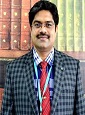
Dr. Mukesh Singh Sikarwar is currently working as Senior lecturer in Faculty of Pharmacy, AIMST University, Malaysia. He has served as organizing secretory in Falling Walls Lab Malaysia 2016 and 2017 hosted at AIMST University. He was invited as Keynote speaker and Co- Chair 2nd Global Summit on Herbals & Natural Remedies October 17-19, 2016 Kuala Lumpur, Malaysia. He was invited as plenary speaker at University of West Indies and participation was fully sponsored by organizers. Dr. Sikarwar selected as finalist of Falling Walls young innovator of the year 2015 at Berlin, Germany, and participation was fully sponsored by falling walls foundation Germany and its partners. He was selected to present research in Innovation challenge at Yayasan Inovasi Malaysia, MOSTI. He has developed MOOC course titled "Breadfruit nutritional and medicinal values" over the platform of www.openlearning.com
His current area of research is herbal antioxidants, antidiabetics and antihyperlipidemics, novel drug delivery in herbal drugs, formulation and evaluation of herbal drugs and food safety. He has more than 11 year of experience in mentoring students in Pharmacognosy and chemistry subjects. He has published 58 research and review papers in various peer reviewed internationals and national journals and also serving as reviewer for many international journals. He has presented 29 research papers in various national and international conferences. He has preapred MOOC course on breadfruit. He is a life member of APTI, member of Asian Council of Science Editors and registered as pharmacist with M. P. State Pharmacy Council.
Abstract:
Breadfruit has potential for food and nutrition security and sustainable production in the tropics especially in Caribbean and ASEAN countries but it is under-utilised and commercial production is limited. It is rich source of nutrients and used as replacement for wheat and possess medicinal properties hence it has potential to be sold as nutraceutical.
Over 130 phyto-compounds especially flavonoides and polypheols are identified in various parts of breadfruit plant. Nutritional compositions includes protein, carbohydrate, fat, calcium, phosphorus, K, iron, niacin, thiamine and vitamin C. Keeping above information in consideration nuratceutical product of soft gel capsules for breadfruit powder extract can be prepared and characterize for its marker compounds and antioxidant potential. It can be used as main source of antioxidant and will have application in treatment of oxidative stress caused by diabetes, inflammation, cancer and many such diseases. It can also be replacement for wheat flour, Gluten free, GMO free without trans-fat,
Sebastian Liew
Sebastian Liew Centre Pte Ltd, Singapore
Title: The holistic and phytotherapy approach to treating autoimmune conditions
Biography:
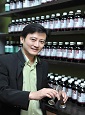
Matthew Wood, the renowned American herbalist described Sebastian as ‘one of the most unique and talented practitioners of natural healing and herbalism.’
The New Paper (Singapore) called Sebastian Liew 'The Medicine Man'. Indeed, Sebastian is a qualified and registered Medical Herbalist (accredited by the National Herbalists Association of Australia), with a master’s degree in Herbal Medicine from the University of New England, Australia.
He is the first medical herbalist in Singapore and probably in Asia. Liew has 20 years clinical work experiences and treated numerous patients with different medical conditions from all age groups in his Singapore clinic. His practice won the title - Natural Medicine Specialists (year 2018) by Global Health and Pharma.
Sebastian authored the book, Leaf to Life: The Natural Approach to Slow Down Aging and Living a Healing Life, which set the fundamentals for healthy aging and the prevention or treatment for almost all diseases.
Abstract:
Technically, any disease in which cytotoxic cells are directed against self-antigens in the body's tissues and characterised by chronic inflammation is considered autoimmune in nature. Such diseases include, celiac disease, Crohn's disease, allergies, certain forms of arthritis, and skin diseases are also a result of immune dysregulation.
Autoimmune conditions remains one of the most challenging diseases to treat. Why it is so? Liew found out from his many clinical cases that autoimmune conditions are multi-factorial in nature, involving not only pathological causes, but factors relating to state of the mind, gut health, stress level, diet, and spiritual fitness. Basing on traditional European differential diagnosis, scientific literature and modern herbal medicine, Liew was able to sucessfully treats autoimmune conditions such as chronic eczema and ankylosing spondylitis.
In this presentation, Liew will share his detailed protocols, differential diagnosis, and formulations of herbs used to treat these conditions.
Rahul Hajare
ICMR- National AIDS Research Institute (NARI), ICMR PDF grant of 7th Batch (2013),India
Title: Non-existent teaching strategy will boost an Activator of Students across
Biography:
Dr.Rahul Hajare is a post doctoral student of Renowned Scientist Respected Dr. R S. Paranjape Retired Director and Scientist ‘G’ National AIDS Research Institute India. He achieved his training at the National AIDS Research Institute, the reputed and primer HIV research institute in India. Dr. Hajare is board certified by Director-in-Charge, National AIDS Research Institute, the Secretory Board of Management KLE Society Belagavi and Registrar Vinayaka Mission’s Research Foundation. Dr Hajare won World Academic Championship-2017 in Pharmacy (Antiretroviral Therapy) and certified as Fellow, Directorate of Pharmacy, IASR (Lifetime Membership).
Abstract:
A Teacher is a person who teaches in school rather than, especially helps others to shows knowledge, competence and value, playing a role of half mother and father. Concept mapping instructional approach as an activator of students’ performance in the teaching and learning of excretion was investigated. The quasi experimental design was employed. Purposive sampling technique was used to select three intact biology classes of Senior High School 2 students with a total sample size of 108. The two main instruments used for data collection were General Knowledge in Biology Performance Test (GKBPT) and Students’ Performance Test in Excretion (SPTE) with K-R 20 reliability coefficient of 0.812 and 0.866 respectively. Point Bi-serial Correlation, Wilcoxon Signed Rank test, effect size, chi-square and Kruskal-Wallis H test were employed to analyse the quantitative data collected using the students’ achievement scores. The study showed that the effect size of the students’ performance in the concept mapping of the post-test scores was better than that of the pre-test scores. The instructional approach did not only improve students’ achievement in the biology course but also helped the students to retain the concept learned for longer period. Based on the result, recommendations have been made.
Harold M. Carag
Institute of Biological Sciences, College of Arts and Sciences, University of the Philippines Los Baños
Title: Botanical, Histochemical and Propagation Studies of Taloangi (Curculigo orchioides Gaertn.), an Endangered Ethno-medical Plant

Biography:
Harold M. Carag, 26, is completing his Master of Science in Botany at the University of the Philippines Los Baños, Laguna, Philippines. He is currently working on his masters thesis on the local food and medicinal plants of a major ethnic-group in the Philippines. He plans to pursue a PhD in the fields of ethnobotany and taxonomy of important endemic food and medical flora utilized by the locals. He had published some articles relevant to the said fields in peer-reviewed journals.
Abstract:
Curculigo orchioides Gaertn. is a popular Ayurvedic medicinal plant significantly utilized as a nutritive tonic. The traded drug is its underground axis. This study was conducted to determine the botanical characteristics of C. orchiodes morpho-anatomically and histochemically, to document the presence of key constituents contributing to its therapeutic value. The underground axis was identified as a fleshy, vertical rhizome which is pulled firmly by contractile roots to the ground. The stele arrangement showed an atactostele, typical in most monocot stems. Histochemical tests revealed the presence of saponins, in considerable amount and traces of alkaloids. The presence of these constituents of potential therapeutic values was further verified through Thin Later Chromatography (TLC). Five major bands (Rf 0.14, 0.24, 0.26, 0.50 and 0.82) were detected in the profiling of saponins. No alkaloid registered in the chromatograms. Anatomical observations also revealed the abundance of starch grains and mucilage cells in the ground tissue. Saponins, mucilage and starch account for both the nutritive and therapeutic value of the plant. The low level of alkaloid is advantageous because this group can potentially cause harm. Attempts on seed germination were not successful as a means of propagation due to the plant species’ deep physiological dormancy. Rhizome cuttings (83% shoot development) proved to be a better alternative in addressing the shortage in supply of this drug plant. Whether the generated shoots can develop new rhizomes is still to be ascertained.
Sonal Sharma
San Jose State University, CA 95051, USA
Title: Parental Perceptions of Yoga Benefits on the Social-Emotional Development of Individuals with Disabilities: A Survey Study
Biography:
Sonal Sharma completed her B.E. in Mechanical Engineering at the age of 21 years from India. She served as a Naval Architect Officer in the Indian Navy for 2.5 years. After moving to the US, she earned an MA in Special Education with Early Childhood Education Specialist Credential from San Jose State University, California. She has worked in the field of special education for over 5 years, serving individuals with autism, intellectual disability, and orthopedic impairments. She is currently working as an early childhood specialist in the Bay Area, California.
Abstract:
Although there is a progressive trend toward the use of yoga as a mind-body complementary and alternative medicine intervention (Kaley-Isley, Peterson, Fischer, & Peterson, 2010), there isn’t sufficient research on the benefits of yoga for individuals with disabilities. This study evaluated the parental perceptions of yoga benefits in enhancing the social-emotional development of their children with disabilities. Eighteen parents of individuals with disabilities participated in the online and paper survey. The survey instrument included 6 demographic questions and 18 close-ended Likert-scale questions. The survey was designed to collect data on the perceptions of parents about yoga benefits for their child with regards to three major components of social-emotional learning (SEL): (a) self-regulation skills, (b) social skills, and (c) behaviors and decision-making skills. A quantitative analysis of data was utilized with the Qualtrics survey software. Descriptive statistics (i.e., percentage scores) were utilized to analyze response scores of the 18 participants. The results indicated that almost 80% of participants agreed that yoga was helpful in enhancing their child’s ability to focus, stay calm, regulate their emotions, and be aware of their surroundings. Almost 50% of participants disagreed that yoga had no influence on their child’s ability to communicate and understand the emotions of others. Over half i.e. 63% of participants agreed that after practicing yoga, their child was more organized, flexible to changes, and had improved ability to follow directions and resolve conflicts. These data suggest that yoga may be effective in enhancing the social, emotional and physical well-being of individuals with disabilities.
Biography:
Ebtihal Alsadig has her interest and passion in improving the traditional uses of medicinal plants in Sudan. There are numerous medicinal plants that have been used by elderly people for decades for improving healthcare and treat illnesses. My research interest is to study the constituents ascribable the efficacy and improve cultural practices of these plants to increase the active ingredient's and share this researches outside.
Abstract:
Lepidium sativum plant and seeds are considered as one of the popular medicinal herbs used in the community of Sudan, Saudi Arabia and other Arabic countries as a good mediator for arthritis and bone fracture healing in the human skeleton.The objective of the study was to determine the effect of organic and chemical fertilization on plant growth, seed yield, seed oil content and oil profile of garden cress under the environmental conditions of Khartoum state (Shambat).The design of the experiment was a randomized complete block design with four replicates. Treatments were namely, organic fertilizer (chicken manure) at the rate of 11.9 t/ha, the chemical fertilizer (NPK 15:15:15) at two rates, 476 kg/ha (NPK1) and 952 kg/ha (NPK2) and the control with no fertilization. The results indicated that the number of leaves per plant, number of branches, plant fresh and dry weight, showed significant (p 0.05%) differences among different treatments. Organic fertilizer resulted in the highest values, followed by chemical fertilizer and then the control. At harvest, NPK2 gave the highest values of total number of capsules per plant, seed yield (t/ ha), seed oil content and oil yield (t/ ha). It was followed by NPK1, organic fertilizer and the control. Plant height and weight of 1000 seeds were not significantly (p 0.05%) affected by the different treatments, but the control recorded the lowest values. There were no variations among the organic fertilizer, chemical fertilizer and the control in oil chemical profile regarding the main component (Cis-10-heptadecanoic acid). Cis-13,16-decosadienoic acid was present in NPK1 treatment only. Stearic acid was detected in plants treated with organic and chemical fertilizers, but was not present in the control. Generally, garden cress seems to respond positively to fertilization, regardless of the type of fertilizer (organic or chemical) used. More scientific research is required to improve the agricultural practices of garden cress under Sudan conditions.
Naseem Ahmad .Khan
Assistant Professor Deptt. Of Physiology Govt.Unani Medical College Bhopal INDIA
Title: Concept of Temperament (Mizaj) & its relation with Diabetes Mellitus

Biography:
Dr Naseem Ahmad Khan has completed MD in Unani Medicine at the age of 30 years from Aligarh Muslim University INDIA . He is the Assistant Professor in Department of Physiology GUMC since 2010 .He is emininet Research Scholar and writer. He has published two book of Fundamental of Unani Medicine .He has Published 15 papers in reputed scientific journals . He has rviewed paper on metastasis . He has presented more than 40 papers in many Interrnational and National Conferences.He has Life time member of Red Cross Society.
Abstract:
The concept of Temperament (Mizaj) was postulated by father of medicine Hippocrtaes in his book Tabiat al insan has set forth his famous doctrine that the body contains four humours Dam, Balgham, Safra, and Sauda.. Dominancy of particular khilt (Humour) makes temperament of individual which is suitable for that person .This theory has occupied a major place in the Unani System of Medicine .It belongs to those basic concept of the tibb which are the distinguish features of this great healing art. A right proportion of khilt and inter mixture (homeostasis) of them according to quantity and quality constituent health and unequal proportion or imbalance according to quantity and quality and irregular distribution leads to disease.
Nowadays because of unhealthy life style like less physical activities & more calorie intake definitely cause inequilibrium of temperament known as (Sue Mizaj) which is mainly responsible for Life style diseases. As we know a life style disease known as Diabetes Mellitus (Zia Batees Shakri) caused by the mainly due to the high level of glucose in blood which definitely alter our temperament from equilibrium state to inequilibrium state. If insulin is not working properly but glucose level is maintained in blood by the exercise and calorie restriction we can’t consider person is a Diabetic. By the exercise and Calorie restriction we want glucose level kept within normal range for the proper function of body .we know high level of glucose in blood alter the temperament of body in many aspects.
Hsuan-Miao Liu
Department and Institute of Pharmacology, National Yang-Ming University, Taipei 112 Taiwan
Title: Anti-inflammation properties of Ger-Gen-Chyn-Lian-Tang regulates hepatic fibrosis in a hypoxia- and angiogenesis-signaling in cholestasis mice
Biography:
Hsuan-Miao Liu is a Ph.D. Candidate in the Department and Institute of Pharmacology at National Yang-Ming University. Her research interests include liver diseases, intestinal disorders and gut microbiota in improving the health.
Abstract:
Angiogenesis plays an important role in liver inflammation and fibrogenesis. GGCLT, a mixed product of herbal remedy which could have a beneficial effect in hepatic fibrosis. This work addressed a novel mechanism by which GGCLT may be potentially against angiogenesis in chronic liver injuries. Common bile duct-ligated (BDL) fibrosis mice were treated with vehicle, GGCLT (10, 30 or 100mg/kg), separately (twice daily for two weeks). Primary hepatic stellate cells (HSCs) were pre-incubated with GGCLT before taurolithocholic acid (TLCA) stimulation. Real-time polymerase chain reaction, immunoblotting and immunohistochemistry stain analysis were used to measure specific markers. Treatment of GGCLT has resulted in dosage-dependent reduction of TLCA-induced expression of HIF-1α and VEGF in the HSCs (p < 0.05). GGCLT significantly reduced ductular proliferation, portal inflammation, hepatic fibrosis and decreased hepatic α-SMA contents. Alanine aminotransferase, PAI-1, OPN and VEGFR1 levels were decreased in the GGCLT treated mice when compared to BDL groups. Furthermore, GGCLT treatment has reduced macrophage-mediated STAT3 phosphorylation and mRNA levels of inflammatory markers IL-6, IL-1β, TNF-α and the p65 subunit of NF-κB (p < 0.05). In conclusion, the hypoxia-angiogenesis signaling promotes liver cholestasis by enhancing HSCs activation and inflammatory response. Our studies demonstrate that GGCLT exhibits anti-inflammatory properties that are comparable to cholestasis both in vivo and in vitro and that these effects are mediated via the angiogenesis signaling pathway.
Ali Firouzmand
Urmia University, Iran.
Title: Faradarmani as an unprecedented complementary and alternative medicine
Biography:
Ali Firouzmand Shahgoli has completed his M.A, in TEFL at age of 25 years from Urmia University, Iran. He has been learning and teaching English since 2010. Currently, he is an accountant and English Translator in Sahand Industrial Group. He has published paper in Elsevier journals, Social and Behavioral Sciences, and attended several national and international conferences and workshops.
Abstract:
Faradarmani (Fara-therapy), a recently introduced Iranian complementary and alternative medicine (founded by Mohammad Ali Taheri) is based on the theory of ‘Consciousness Bond’ or ‘Constituents having Consciousness in Common’. According to this theory, when a link is established between the "Interuniversal Consciousness" or "Cosmic Internet" (as the whole consciousness) and human (as the constituent consciousness), the consciousness bond will be formed; subsequently, the whole consciousness via the consciousness distribution management center of the human’s mind- is capable of correcting, repairing and curing the consciousness of constituents including the mind, psyche, and body, thus healing and recovery take place. Establishing such connection (a meaningful resemblance to a connection between human and cosmic internet in order to update the human softwares through the Creators website) brings about results that man is not capable of attaining singlehandedly and through his own abilities. As a qualitative method of treatment, Faradarmani recognizes the essence of man and takes action to improve the condition of the patient without any kind of intervention in the quantitative process of treatment (classic conventional medicine) or any hardware manipulation. This treatment method can be effective for treating all kinds of illnesses including congenital or genetic, dysfunctional organs, infectious diseases, mechanical dysfunctions, old age and exhaustion, mental, psychological, psycho-somatic and mento-somatic disorders [involves mind (mental) and body (soma)] and chronic or acute illnesses, since it is the "Divine Intelligence" who indeed carries out Faradarmani. Thus the Fara-therapist cannot consider any kind of disease as incurable or attribute anything (power of healing) to himself. As a matter of fact, Faradarmani embraces all human beings, everybody regardless of their race, nationality, religion and personal beliefs can accept its theoretical part and experience and make use of its practical aspect.
Dinesh.KS
Associate professor and Head of department of Ayurveda, India
Title: A Non linear dynamic ayurveda approach for the management of children with autism spectrum disorder

Biography:
Dr.Dinesh KS,MD, an Associate professor and Head of department of Ayurveda paediatrics is an evangelist, practitioner and researcher of ayurveda with an outstanding academic background with Gold medals. He has presented more than 150 presentations in different national and international presentations. He is son of a traditional vaidya and now leading four research works in autism under different universities and institutions. He is the founder of two stream of institutions for autism namely AyuCALM[Ayurveda center for autism and learning disability management] and CIMCD[center for integrated management of children with differential abilities] at vaidyaratnam P.S.Varier ayurveda college, Kottakkal, Kerala, India. He is expert in individualization of managements in autism, cerebral palsy, infertility and pre conceptional ayurveda management.
Abstract:
Autism spectrum disorder [ASD] is a growing enigma without a permanent solution and promising comprehensive management. Ayurveda, an ancient traditional medicine of india, grounded in to the eastern view of the substantial interconnectedness of all aspects of reality including health and diseases through non linear dynamic approach views ASD as an errant lifestyle generated status of human being rather than a disease. A paradigm shift in the synchrony between man and nature especially after the industrial revolution and by the human effort to fortify the national welfare and health indices contributed many diseases where disturbed transmission of collective consciousness set in. Ayurveda also postulates mind is part of our food. All diseases have a major role in gut homeostasis. So this is a reporting of two studies of ayurveda in ASD
METHODS
83 Children with ASD who came for ayurveda management were given the ayurvedic management of gut therapy protocol for one month in one group and workshop on lifestyle management techniques for seven days to 43 parental couples who are the primary caretakers of children in another group. Data were taken before and after intervention and analyzed with the help of SPSS. Paired t test and correlation were done in gut and behavioral symptoms. Paired t test and ANNOVA were carried out in Quality of life parameters of the parent [WHO-QOL-BREF] and childhood Autism Rating scale [CARS] & Indian scale for assessment of autism[ISAA]
RESULTS
Gut symptoms and behavioral symptoms were significantly [p<0.05] reduced after AGTP the correlation coefficient of their changes was +0.83. On evaluation of the course on lifestyle guidelines given to the parents a highly significant change [p<0.001] in the WHO-QOL-BREF was noted in the physical and psychological domain. A highly significant